
Home Improvement Projects That Add Value and Comfort to Your Space

Improving your home isn’t just about aesthetics—it’s about enhancing comfort, functionality, and long-term value. Whether you’re planning to sell your property in the future or simply want to enjoy a more livable space, the right home improvement projects can make a big difference.

While some upgrades focus on visual appeal, others deliver tangible returns by increasing property value, energy efficiency, and overall comfort. Here are some of the most effective home improvement projects that do both: boost value and elevate everyday living.

Kitchen Upgrades for Functionality and Style

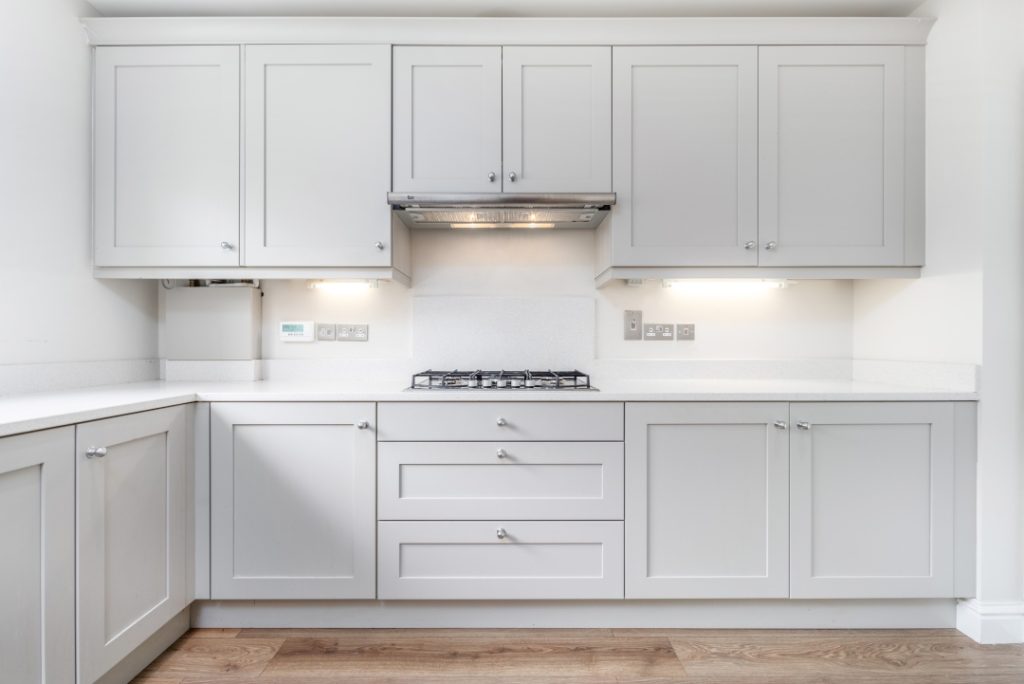
The kitchen is often considered the heart of the home, and for good reason. It’s where people gather, cook, and connect. A well-designed kitchen not only improves the flow of daily life but also significantly increases a home’s resale potential.

Common kitchen improvements include:

  • Replacing outdated countertops or cabinets
  • Installing energy-efficient appliances
  • Upgrading lighting and plumbing fixtures
  • Adding a kitchen island for extra space and storage

Even modest upgrades—such as new cabinet hardware or a fresh coat of paint—can modernize the kitchen and make it more inviting. Whether you go for a full remodel or focus on small enhancements, the kitchen is always a smart place to start.

Bathroom Renovations for Comfort and Efficiency

Bathrooms are another high-impact area where comfort and value intersect. A clean, modern, and well-lit bathroom adds a sense of luxury and relaxation to your home while appealing to potential buyers.

Effective bathroom upgrades include:

  • Replacing old fixtures with water-saving models
  • Updating the vanity and sink
  • Installing new tiles or flooring
  • Improving lighting and ventilation

Even minor improvements, like re-grouting or changing out hardware, can freshen up the space. Creating a spa-like atmosphere with better lighting and more functional layouts adds comfort you’ll enjoy daily.

Energy-Efficient Improvements to Reduce Costs

Energy-efficient upgrades not only reduce utility bills but also appeal to environmentally conscious buyers. These improvements enhance comfort by maintaining consistent indoor temperatures and improving air quality.

Examples of energy-efficient projects include:

  • Installing insulation in the attic or walls
  • Sealing air leaks around doors and windows
  • Upgrading to double- or triple-pane windows
  • Switching to LED lighting or energy-efficient HVAC systems

Not only do these changes make your home more comfortable year-round, but they also demonstrate thoughtful ownership and long-term savings.

Open Floor Plans and Room Conversions

Creating open, multi-functional living spaces has become a popular trend—and for good reason. Open layouts allow for better natural light, improved traffic flow, and a sense of spaciousness that adds value to any home.

If knocking down walls isn’t feasible, consider converting underused spaces into something functional:

  • Turn a basement into a family room or home theater
  • Convert an attic into a guest room or home office
  • Transform a spare room into a home gym

These additions make the most of your existing square footage and create versatile areas that serve your needs and interests.

Outdoor Enhancements for Curb Appeal and Relaxation

Outdoor living areas have become just as important as indoor spaces. Improving your home’s exterior not only boosts curb appeal but also creates enjoyable spaces for relaxation and entertaining.

Popular outdoor upgrades include:

  • Adding a deck or patio
  • Creating a garden or landscaped area
  • Installing outdoor lighting for safety and ambiance
  • Building a pergola or shaded structure for comfort

A well-designed outdoor space can become an extension of your living area, increasing your usable space and property value at the same time.

Flooring Upgrades for Durability and Design

Flooring is one of the first things people notice when they walk into a home. Replacing worn-out or outdated floors with modern, durable materials can dramatically improve the look and feel of your space.

Popular choices include:

  • Hardwood or engineered wood
  • Luxury vinyl planks
  • Porcelain or ceramic tile
  • Eco-friendly options like bamboo or cork

In addition to aesthetics, consider comfort and maintenance when selecting flooring materials. Well-chosen flooring can withstand daily wear while enhancing your home’s overall appeal.

Fresh Paint for a Clean, Updated Look

Painting is one of the most cost-effective ways to transform a space. A fresh coat of paint can instantly brighten a room, hide imperfections, and make your home feel newer and cleaner.

Neutral tones tend to be the most versatile, creating a blank canvas for future design choices and appealing to a wide range of buyers. Accent walls or modern color palettes can also add personality without overwhelming the space.

Painting both interior and exterior surfaces is a simple way to increase perceived value and comfort without a major renovation.

Smart Home Features for Convenience and Control

Technology has become an integral part of modern living. Incorporating smart home features can boost your home’s convenience, efficiency, and marketability.

Popular additions include:

  • Smart thermostats
  • Home security systems
  • Automated lighting or blinds
  • Smart door locks and video doorbells

These features not only make daily life easier but also appeal to buyers looking for modern, connected homes.

Home improvement is an investment that pays off in many ways. Whether you’re updating for personal enjoyment or future resale, choosing the right projects can increase your home’s value and enhance your quality of life.

Focus on upgrades that add comfort, functionality, and efficiency. Start with the areas you use the most, and consider changes that will have long-term benefits. With thoughtful planning and a focus on improvement, you can turn your space into a more valuable, beautiful, and livable home.

Posted in Uncategorized | Comments Off on Home Improvement Projects That Add Value and Comfort to Your Space

How Cabinet Refinishing Improves Home Value

San Jose cabinet refinishing

San Jose cabinet refinishing is an excellent option for homeowners seeking a stylish, budget-friendly upgrade without the expense and hassle of replacing cabinets. Refinishing is completed faster, allows for customization, and minimizes disruption to daily life.

The resulting appearance can make potential buyers assume the cabinetry is new, increasing your home’s value. To get the most return from your investment, take care to select a finish that complements your lifestyle and taste.

Appraisal Considerations

Cabinet refinishing is often a cost-effective way to add value to your home. As one of the most important elements in a kitchen, well-maintained cabinets create the impression of a clean, organized space that appeals to buyers. When coupled with other low-cost upgrades like new hardware, refinishing can significantly increase your home’s resale value without the cost of an extensive renovation.

Unlike full cabinet replacement, which requires demolition and a lengthy project timeline, refinishing can be completed within a few days, minimizing disruptions to your daily routine. It’s also an eco-friendly option, reducing landfill waste and preserving materials that would otherwise be discarded. Plus, high-quality finishes like industrial lacquers can withstand years of use and resist damage from spills and moisture.

Aesthetics are a major driver of resale value, and a fresh coat of stain or paint can make your cabinets look new again. In fact, according to Better Homes & Gardens, minor kitchen remodels typically yield up to an 80% return on investment. This is a significant return, especially when considering that most homeowners spend between $10,000 and $20,000 on the project.

The kitchen is often the first thing prospective home buyers notice, and outdated or shabby cabinets can quickly diminish their perception of your home. With a quick and affordable cabinet refresh, you can boost your home’s overall resale value by positioning it as a move-in ready home with an updated, current design style.

Refacing involves replacing cabinet doors, drawer fronts, and hardware to modernize the appearance of your kitchen. It’s an ideal option if your existing cabinet boxes are in good condition, but the door and drawer frames are outdated. Unlike refinishing, which involves painting over the existing surface, refacing uses a new material for the face frames and exposed end panels that matches the door and drawer fronts. This approach allows you to choose from a variety of styles, colors, and textures to match your personal taste.

Both refacing and refinishing are less expensive than full cabinet replacement, allowing you to budget for other value-adding improvements like countertops or appliances. They also allow you to preserve your kitchen’s functionality, demonstrating that the space has been well-maintained and ensuring that buyers can quickly get started cooking in their new home. This, in turn, makes your home more appealing to a larger pool of potential buyers.

Buyer Appeal

Cabinets are one of the first things home buyers notice when they tour a property, so outdated, faded, or unattractive cabinets can instantly devalue your house. Fortunately, a quick and cost-conscious cabinet refinishing project can restore your cabinets to their former glory, making them more appealing to potential buyers.

Refinishing involves working with existing cabinetry, sanding them down to remove their old finish and smooth out any rough spots, then applying a new coat of paint or stain. You can opt for a painted look that brings out the natural beauty of your wood or choose a vibrant color that brightens your kitchen and enhances your home’s curb appeal. Unlike full cabinet replacement, refinishing doesn’t require any major structural changes or demolition, so it’s an environmentally conscious and budget-friendly solution that’s ideal for homes looking to boost their appeal on the market.

In addition to refinishing your cabinetry, a professional can also repair any damage or signs of wear. For example, humidity fluctuations can cause wood to warp or swell over time. Refinishing your cabinets with a high-quality stain or paint will help them resist moisture, providing lasting beauty and function. This type of finish also protects your cabinets from scratches and dents, giving them a like-new appearance for years to come.

Unlike full cabinet replacement, which requires months of construction and disrupts your daily routine, cabinet refacing is typically completed within a few days. In many cases, your new cabinet doors and drawer fronts will be ready for installation in just a few days, leaving you with a fresh look and updated storage space without the expense or hassle of a complete kitchen remodel.

Buyers often look for homes with modern, well-maintained kitchens and bathrooms. While the exact style of your cabinetry will vary among buyers, refacing is an excellent way to make cosmetic improvements that will appeal to the vast majority of people.

In terms of resale value, a well-planned cabinet replacement can deliver up to 80% return on investment, so you can rest assured knowing your upgrade will pay off when it comes time to sell. As an added bonus, refacing your cabinets is a sustainable choice that reduces waste and preserves your existing cabinet boxes. The lower material and labor costs associated with refacing are also attractive to environmentally-conscious buyers who seek energy savings and sustainable remodeling solutions. If you’re thinking about upgrading your kitchen cabinets to maximize resale value, contact an expert today to discover how a refinishing service can help. 

Real Estate Insights

Cabinet refinishing is one of the most cost-effective ways to boost a home’s value. It’s less expensive than full replacement and delivers similar aesthetic results at a fraction of the price. This makes it a strategic investment for homeowners who want to improve their home’s curb appeal and prepare for future sale. In a competitive housing market, kitchen upgrades tend to have the greatest impact on resale value, so improving the look of your cabinets can help you sell your home faster.

Bathrooms and kitchens are the first places potential buyers inspect when viewing a property. If you’re looking to maximize the resale value of your home, upgrading these spaces will be a huge selling point. However, a complete remodel can be very costly. That’s where cabinet refacing and painting come in: these projects are more affordable than a complete renovation and deliver high-impact visual updates.

Professional cabinet painters near me can refresh your kitchen’s appearance with a fresh coat of paint that complements your home’s style. They follow a rigorous process that includes detailed cleaning, precision sanding, dust control, masking, and final coating to ensure a flawless finish. They also use low-VOC cabinet paint to protect indoor air quality. When selecting a local cabinet painting company, ask about their process and compare prices. Look for a team that provides transparent estimates and offers warranties.

Kitchen improvements like refacing and painting can have a significant impact on your home’s value. They’re less expensive than a complete kitchen overhaul and offer a clean, updated look that buyers are actively seeking. In addition, these updates don’t require weeks of disruption to complete and are a great choice for homeowners who plan to sell their property in the near future.

While major kitchen remodels can have a dramatic impact on home value, they’re often prohibitively expensive for many homeowners. Cabinet refacing and painting are more budget-friendly upgrades that can have the same impact on resale value. They can be completed in a shorter time frame and are easier to maintain than full replacement, making them a smart investment for homeowners who plan to sell their home in the near future.

Investing in your home’s appearance is always a wise move. Cabinet refacing and painting can boost your home’s value by creating an updated look that appeals to current buyers. It’s also a relatively quick and easy project, making it an ideal option for homeowners who need to boost their home’s resale value quickly. These improvements will also give you a refreshed, stylish kitchen that’s ready to be enjoyed by family and guests.

Posted in Home Improvement | Tagged , , , , | Comments Off on How Cabinet Refinishing Improves Home Value

Do Deck Builders Handle Permit Requirements? What Homeowners Need to Know

Deck Builders

Imagine investing in a beautiful new deck only to discover that it does not meet local building requirements or lacks the necessary permits. What seemed like an exciting home improvement project can quickly become stressful when permit issues arise. This is why understanding permit requirements is an essential part of any deck construction project. Many homeowners focus on design, materials, and budget but overlook the importance of ensuring the project complies with applicable regulations.

One of the most common questions homeowners ask before starting a deck project is whether deck builders handle permits. The answer often depends on the scope of the project and the specific builder involved, but in many cases, professional deck builders play a significant role in navigating the permitting process. Understanding how permits work and how Deck Builders Lexington KY assist with compliance can help homeowners avoid costly mistakes and enjoy a smoother construction experience.

Why Permits Are Important for Deck Construction

Building permits exist to help ensure that construction projects meet established safety standards and building requirements. Decks are structures that support people, furniture, and sometimes heavy features such as outdoor kitchens or hot tubs. Because of these loads, proper design and construction are critical.

Permits help verify that a deck’s structural components are designed and installed correctly. They also help ensure that the deck complies with requirements related to safety, setbacks, railings, stairs, and other important considerations.

Without the proper permits, homeowners may encounter difficulties when selling their property, refinancing, or obtaining insurance coverage. In some situations, unpermitted construction may require costly modifications or removal.

Permits provide an extra layer of protection by helping ensure that deck projects are completed according to accepted construction standards.

When a Deck Permit Is Typically Required

Permit requirements vary depending on the size, height, and design of the deck. While specific regulations differ, many deck projects require permits because they involve structural construction.

Elevated decks often require permits because of the potential safety risks associated with improper construction. Decks attached to a home commonly undergo permit review since their connection to the structure must be properly engineered.

Additional features such as roofing systems, pergolas, electrical installations, outdoor kitchens, and built-in seating may also trigger permitting requirements. Structural modifications to existing decks frequently require permits as well.

Even when a deck appears relatively simple, permit requirements may still apply. This is why homeowners should avoid assuming that a permit is unnecessary based solely on the project’s size or appearance.

Understanding permit obligations before construction begins helps prevent delays and compliance issues later.

The Role of Deck Builders in the Permit Process

Professional deck builders often assist homeowners with permit requirements as part of their services. Because experienced builders regularly work with building departments and construction regulations, they are familiar with the documentation and procedures commonly required for deck projects.

Many deck builders prepare or coordinate the submission of permit applications on behalf of homeowners. This may include providing construction drawings, structural details, site plans, and other required information.

Builders often communicate directly with permitting authorities to answer questions and address concerns during the review process. Their familiarity with local requirements can help streamline approvals and reduce the likelihood of delays.

By managing these administrative tasks, deck builders allow homeowners to focus on design decisions and project planning rather than navigating complex regulatory procedures.

Their expertise often contributes to a more efficient and less stressful construction experience.

How Deck Builders Help Ensure Code Compliance

One of the most valuable services professional deck builders provide is ensuring that construction plans comply with applicable building requirements. Compliance begins long before construction starts.

Builders evaluate factors such as deck size, height, structural loads, railing requirements, stair dimensions, and foundation design. These considerations influence both permit approval and long-term safety.

Proper compliance helps prevent costly revisions after construction has begun. It also reduces the risk of inspection failures that could delay project completion.

Experienced builders stay informed about evolving construction standards and best practices. This knowledge allows them to incorporate current requirements into the design and construction process.

Homeowners benefit from the confidence that their deck is being built according to accepted safety and performance standards.

Construction Drawings and Permit Documentation

Permit applications often require detailed documentation that demonstrates how the deck will be constructed. Professional deck builders frequently assist with preparing these materials.

Construction drawings typically illustrate deck dimensions, framing details, support systems, stair configurations, and railing designs. Site plans may show the deck’s location relative to property boundaries and existing structures.

Accurate documentation is essential because permitting authorities use these materials to evaluate whether the proposed project meets applicable requirements.

Preparing permit drawings can be challenging for homeowners without construction experience. Professional builders understand what information reviewers expect and can help ensure that submissions are complete and accurate.

Well-prepared documentation often contributes to a smoother approval process and fewer requests for revisions.

Inspections During Deck Construction

Permits often involve one or more inspections conducted during various stages of construction. These inspections help verify that the deck is being built according to approved plans and applicable requirements.

Foundation inspections may occur before concrete is placed to confirm that footings meet specified dimensions and placement requirements. Structural inspections may evaluate framing components before decking materials are installed.

Final inspections typically occur after construction is complete. Inspectors review elements such as railings, stairs, connections, and overall workmanship to confirm compliance.

Professional deck builders often coordinate inspection scheduling and ensure that the project is prepared for review. If inspectors identify concerns, builders can address them promptly and efficiently.

Successful inspections help ensure that the completed deck meets safety expectations and regulatory requirements.

Benefits of Hiring a Builder Familiar With Permits

Working with a deck builder who understands permit requirements offers several advantages. One of the most significant benefits is reducing the risk of compliance issues that could delay the project or increase costs.

Experienced builders understand common permitting challenges and can often anticipate potential obstacles before they become problems. Their knowledge helps homeowners avoid mistakes that might otherwise result in application rejections or construction modifications.

Professional builders also understand the importance of accurate documentation and proper scheduling. These factors can significantly influence the overall timeline of the project.

Homeowners often appreciate the convenience of having a knowledgeable professional manage permit-related responsibilities on their behalf.

This support contributes to a smoother construction process and greater peace of mind throughout the project.

Common Misconceptions About Deck Permits

Many homeowners assume that permits are only necessary for large or complex projects. In reality, permit requirements can apply to a wide variety of deck designs and sizes.

Another common misconception is that obtaining a permit guarantees quality construction. While permits and inspections help verify compliance, the skill and experience of the builder remain important factors in the final outcome.

Some homeowners also believe that skipping permits will save time and money. However, unpermitted construction can create significant complications later, including fines, corrective work, and difficulties during property transactions.

Understanding the purpose and value of permits helps homeowners make informed decisions and avoid unnecessary risks.

A properly permitted project often provides long-term benefits that outweigh the initial effort involved in obtaining approvals.

Questions Homeowners Should Ask Before Construction Begins

Before hiring a deck builder, homeowners should discuss permit responsibilities and expectations. Clarifying these details early helps prevent misunderstandings later in the project.

It is important to understand whether the builder will handle permit applications, prepare required documentation, and coordinate inspections. Homeowners should also ask about anticipated timelines and any factors that could affect approval schedules.

Discussing compliance considerations during the planning phase allows both parties to establish clear expectations and identify potential challenges.

Open communication contributes to a more successful project and helps ensure that everyone understands their respective responsibilities.

Taking the time to address permit-related questions before construction begins can help avoid surprises as the project progresses.

How Permit Compliance Protects Your Investment

A deck represents a significant investment in a home’s functionality, appearance, and value. Proper permit compliance helps protect that investment by promoting safe construction practices and regulatory approval.

Permitted projects often provide greater confidence during future property transactions because documentation demonstrates that construction was completed according to applicable requirements.

Compliance also helps reduce the likelihood of structural issues, safety concerns, and legal complications. These benefits can contribute to the long-term enjoyment and performance of the deck.

When homeowners work with knowledgeable deck builders who understand permit requirements, they gain valuable support throughout the planning and construction process.

The result is often a safer, more reliable outdoor space that delivers lasting value.

Final Thoughts

Deck builders often play a critical role in managing permit requirements and helping homeowners navigate the complexities of deck construction. From preparing documentation and submitting applications to coordinating inspections and ensuring code compliance, experienced builders provide valuable expertise throughout the process. While permit requirements vary depending on the project, obtaining the proper approvals is essential for safety, legality, and long-term value. By working with a knowledgeable deck builder and addressing permit requirements from the beginning, homeowners can enjoy a smoother construction experience and greater confidence in the quality and compliance of their new outdoor living space.

Posted in Home Improvement | Tagged , , , , | Comments Off on Do Deck Builders Handle Permit Requirements? What Homeowners Need to Know

The Subtle Art and Strength of Modern Aluminum Fencing

Fencing has always been more than a boundary. It’s a statement of security, style, and structure that shapes how spaces are perceived. Among the many materials used, aluminum has emerged as a favorite for those seeking both elegance and endurance. But its rise is about more than practicality; it’s also a reflection of changing priorities in design and living.

fencing

Aluminum fencing is known for its unique blend of strength and lightness. It offers the durability needed to protect a property while remaining easy to work with and maintain. This combination makes it ideal for both residential and commercial spaces. Yet what makes it truly stand out is how it adapts to evolving architectural preferences.

Unlike traditional materials that demand constant upkeep, aluminum requires minimal care. It resists corrosion, doesn’t warp with weather changes, and maintains its finish for years. This resilience is one reason many people choose it over more demanding alternatives. The low maintenance factor frees property owners from ongoing costs and time-consuming repairs.

Another reason for aluminum’s popularity is its design flexibility. It can mimic the look of more expensive metals without the weight or cost. Manufacturers can craft it into various shapes and patterns, from sleek modern lines to ornate classic designs. This adaptability means it suits a wide range of property types and aesthetic tastes.

One of the most underrated advantages of aluminum fencing is its environmental footprint. Many aluminum fences are made from recycled materials, and they are fully recyclable again when no longer needed. This makes them a sustainable choice for eco-conscious property owners. The longevity of aluminum also reduces waste, adding another layer of environmental benefit.

Installation is another area where aluminum fencing shines. Its lightweight nature makes it easier and faster to install than heavier metals or masonry walls. Panels are often designed to snap or bolt into place with minimal effort. This efficiency can significantly reduce labor costs and project timelines.

Security remains a central concern for any fencing solution, and aluminum delivers here too. Its strength and resistance to tampering provide a reliable barrier against intrusion. Many designs include pointed pickets or narrow spacing to enhance safety without compromising aesthetics. For homes, businesses, and public spaces alike, it strikes the right balance between protection and appearance.

But aluminum fencing isn’t just about utility; it’s also about visual impact. It adds definition to landscapes, frames gardens, and enhances architectural details. The clean lines and modern finishes can elevate curb appeal instantly. This aesthetic versatility allows it to blend seamlessly into minimalist, industrial, or traditional settings.

Its resistance to weather is another critical factor in its appeal. Rain, sun, snow, or humidity have little effect on properly coated aluminum. Unlike wood, it doesn’t rot, and unlike iron, it doesn’t rust. This all-weather durability ensures that the fence remains strong and attractive through the seasons.

One evolving trend is the use of aluminum fencing in combination with other materials. Designers often pair it with glass, wood, or stone for a layered, contemporary look. This hybrid approach allows for creative customization while maintaining aluminum’s core benefits. It also opens new possibilities in modern landscape and architectural design.

Cost is always a consideration, and aluminum offers strong value over time. While it might not always be the cheapest upfront, its long lifespan and minimal upkeep reduce long-term expenses. The return on investment becomes clear when maintenance costs for wood or steel are factored in. Over decades, aluminum often proves to be the most economical choice.

Customization is another area where aluminum excels. Homeowners and designers can choose from a wide range of heights, colors, and finishes. Powder coating technology allows for long-lasting color that resists fading and chipping. This level of personalization ensures the fence complements the property rather than just enclosing it.

Noise reduction is an overlooked but relevant benefit of well-designed aluminum fencing. When used with panels or decorative inserts, it can help dampen street noise. This feature adds comfort and privacy, particularly in urban or high-traffic areas. Combined with landscaping, it creates a peaceful outdoor environment.

Privacy is another factor that can be tailored to specific needs. While many aluminum fences are open in design, solid panel variations are available. These versions provide seclusion without sacrificing durability or style. They’re particularly popular for backyard spaces, pools, and patios.

Safety considerations extend beyond security alone. Aluminum fencing is often used around pools and recreational areas because it meets safety codes while remaining attractive. Its smooth surfaces and lack of sharp edges make it a safer choice for homes with children or pets. These qualities contribute to its widespread adoption in family-friendly environments.

The growing popularity of aluminum fencing also reflects changing lifestyle trends. People today seek long-term solutions that balance form and function. They prefer materials that look good, last long, and require little attention. Aluminum checks all these boxes, which explains its rapid rise across different property types.

For commercial and public projects, aluminum’s benefits are even more pronounced. It provides a professional, polished appearance while meeting security standards. Maintenance crews appreciate its low upkeep, and property managers value its longevity. These qualities make it a smart investment for institutions, businesses, and municipal projects alike.

In terms of innovation, aluminum fencing continues to evolve. New coatings and finishes improve resistance to weather and wear. Advanced manufacturing techniques allow for more intricate designs and stronger joints. These advancements push the boundaries of what aluminum fencing can achieve both functionally and aesthetically.

Even the installation methods have improved over time. Pre-assembled panels and modular systems make it easier for professionals and DIY enthusiasts alike. This evolution reduces installation errors and ensures consistent quality. As a result, projects are completed faster with more predictable outcomes.

There’s also an emotional dimension to choosing aluminum fencing. For many, it represents a step toward creating a secure and welcoming home. It signals care for property, attention to detail, and investment in the future. These intangible qualities contribute to the sense of satisfaction many owners feel after installation.

Its adaptability extends beyond property lines too. Aluminum fencing can be used for interior applications such as partitions or decorative features. This versatility adds another layer of value and creativity. It shows that aluminum’s potential is not confined to traditional outdoor uses.

Future innovations are likely to expand its applications even further. Integration with smart security systems and sensors is already being explored. These advancements could turn fences into active components of home automation and safety. Aluminum’s durability makes it a strong candidate for such future-ready features.

Maintenance remains refreshingly simple compared to other fencing types. Occasional washing with mild soap and water is usually all that’s needed. This ease of care allows property owners to enjoy the benefits without constant attention. It’s a small but meaningful advantage in today’s busy lifestyles.

Aluminum’s lightweight structure also has logistical advantages. It’s easier and cheaper to transport, reducing the environmental impact of shipping. This feature also makes it ideal for remote or hard-to-reach properties. These practical considerations further enhance its overall value proposition.

For large-scale projects, scalability is another strength. Aluminum fencing systems can be produced and installed in large quantities without sacrificing quality. This makes them suitable for housing developments, industrial complexes, or parks. The ability to scale efficiently keeps costs predictable and projects on schedule.

It’s also worth noting that aluminum’s appeal isn’t just in the present—it’s in its timelessness. Its sleek appearance doesn’t go out of style, and its performance doesn’t degrade with trends. Decades from now, an aluminum fence will still look modern and function as intended. This longevity is a rare and valuable trait in building materials.

The psychological impact of a well-designed aluminum fence shouldn’t be underestimated. It defines space, establishes boundaries, and provides peace of mind. These subtle yet powerful effects contribute to a sense of order and safety. A well-fenced property often feels more complete and cared for.

Even in terms of resale value, aluminum fencing plays a quiet but significant role. Properties with attractive, durable fences often command higher prices and sell faster. Buyers appreciate the blend of aesthetics and practicality, seeing it as one less upgrade to worry about. This added value can make aluminum fencing a strategic choice in property investment.

Ultimately, aluminum fencing represents a harmonious balance of modern needs. It delivers strength without bulk, beauty without fragility, and protection without complication. Its ability to adapt to diverse styles, climates, and uses makes it a universally smart choice. Whether for homes, businesses, or public spaces, it stands as a symbol of thoughtful design and lasting reliability.

The story of aluminum fencing is still unfolding, with innovation driving its evolution. As lifestyles shift and expectations grow, its versatility and resilience will only become more valuable. It embodies the ideal of functional beauty—serving a purpose while enhancing the spaces we live in. In a world that demands durability, sustainability, and style, aluminum fencing quietly excels on all fronts.

Posted in Fencing Services | Tagged , , , , , , | Comments Off on The Subtle Art and Strength of Modern Aluminum Fencing

Who is this Roland Guy?

No one really knows where Roland came from. He simply appeared one day like an echo with no source. People say he moves through life as if following an invisible thread. Everything about him seems both deliberate and accidental at once.

reviews

Roland is not the kind of figure who dominates a room. He blends into corners like fading sunlight. Yet when he speaks, silence bends around his voice. It is not loud, but it carries weight heavier than noise.

Those who meet him often recall how he watches rather than looks. His gaze feels like a mirror with secrets trapped inside. It makes people wonder what he sees that others cannot. It makes them wonder if he even sees them at all.

Some claim Roland collects moments the way others collect coins. He remembers details that no one notices. A loose thread on a sleeve, the way someone pauses before lying. He stores them like artifacts from forgotten lives.

He speaks little of his past, if it exists at all. Questions roll off him like water sliding off glass. He gives no clues, no stories, only fragments that dissolve once spoken. It leaves people feeling as though they dreamed him.

There is a myth that Roland can make clocks stop. Not literally, but in the sense that time around him seems to slow. When he listens, it feels as though the world is holding its breath. Then he leaves and time rushes back, breathless.

Despite his quietness, he is never overlooked. Something about him seems threaded with inevitability. As if he is part of every story without needing to be told. As if absence would not erase him but make him more present.

Some think he writes invisible letters in his mind. Messages to people he will never meet. Words that would fracture the air if spoken aloud. He seems full of thoughts too delicate for the world to hold.

Others say Roland does not sleep like everyone else. That he lies awake mapping constellations on his ceiling. That he rearranges memories until they make sense. Or until they lose all sense entirely.

People often describe him as both young and ancient. He has the stillness of something carved from stone. Yet he also carries the restless curiosity of a child. It is this paradox that keeps him unreadable.

He never seeks attention, but attention seeks him. Even birds seem to turn when he walks past. Even silence seems to follow him like a shadow. He does not resist it, yet he never invites it either.

Roland avoids crowds not out of fear but preference. He believes noise erases meaning. In solitude, he becomes sharper, like an outline drawn in ink. In crowds, he becomes mist.

His laughter is rare but unforgettable. It sounds like something breaking gently. It leaves people wondering if he was happy or just remembering happiness. Sometimes they laugh too, without knowing why.

Those who earn his trust receive no grand gesture. They simply find him still there when others vanish. He becomes a constant without announcing himself as one. Loyalty, to him, is silent and steady.

No one knows what he wants from life. He never speaks of ambitions or dreams. Perhaps he has none, or perhaps they are too vast to name. Either way, he walks with the calm of someone who has already arrived.

Rumors say Roland carries a small box at all times. No one knows what’s inside, and he never opens it. Some think it holds his secrets; others think it is empty. Both possibilities seem equally true.

Sometimes he disappears for days without warning. When he returns, there is dust on his shoes and stars in his eyes. No one dares to ask where he’s been. They fear the answer might dissolve them.

He has a way of making the world feel less certain. Ordinary things look strange after being near him. Colors sharpen, sounds soften, and reality flickers. It leaves people wondering if he altered them or revealed them.

Roland never speaks in absolutes. He prefers questions wrapped in riddles. He answers inquiries with new uncertainties. This leaves people frustrated, yet also unable to stop listening.

He has no signature style, yet he is unmistakable. Clothes seem to mold themselves to his mood. He can stand still and still seem in motion. He moves like thought, not like flesh.

Some believe he is hiding from something unnamed. Others think he is seeking it. He neither confirms nor denies either theory. He simply keeps walking, as though chased by nothing and everything at once.

He does not fear endings. He treats them like quiet doorways. When something ends, he nods as if he expected it. Then he keeps going, collecting the pieces of what once was.

There is a softness to him that feels dangerous. Like silk concealing a blade. He does not threaten, yet no one doubts he could. That quiet tension is part of his gravity.

People who try to define him always fail. He shifts shape inside their sentences. He becomes metaphor, rumor, reflection. He refuses the trap of being known.

Even his shadow seems uncertain. It lags slightly, as though thinking for itself. Sometimes it stretches too far or curls too close. It makes people blink to be sure it’s real.

Roland’s words, when he chooses them, leave echoes. They settle into people’s thoughts and bloom later. Often they do not understand them until long after. By then, he is gone.

He carries himself like someone made of unfinished drafts. Always becoming, never complete. It makes people wonder if they too are unfinished. It makes them want to be.

When storms come, he walks into them. He seems drawn to the wildness of chaos. He stands calm while the world unravels. Then he walks away carrying its silence.

People say Roland cannot be photographed. Images blur when he is in them. As if the world refuses to trap him on paper. As if even light will not pin him down.

His presence lingers after he leaves. Not like a scent or a sound, but like an idea. People catch themselves thinking in his patterns. They realize too late that he has rewired them.

No one has seen him angry. They suspect his anger would be cold, not loud. The kind that erases rather than destroys. The kind that leaves nothing behind.

Yet he is not cruel, only distant. Compassion slips from him in quiet gestures. A door held open, a word placed like a balm. He gives kindness like it costs nothing.

Sometimes he hums melodies that no one recognizes. They sound old yet unborn. People find themselves humming them days later. As though he planted music inside them.

He never celebrates victories. He lets them dissolve the moment they arrive. He seems to believe success is just another illusion. Something to observe, not own.

Roland does not chase meaning. He lets it chase him. If it catches him, he never says. Perhaps he does not need answers, only movement.

Some think he is lonely, though he never seems so. Solitude clings to him like light clings to glass. It does not weigh him down, it shapes him. It makes him sharper.

He often stands at the edges of gatherings. Never in the center, always orbiting. He watches like someone memorizing constellations. People forget he was there until he is gone.

Those who once walked with him speak of a strange peace. Like they were carrying something heavy they didn’t notice. And when he left, it was gone.

Even his name feels borrowed. Roland. It rolls like thunder muted by distance. It feels like a name someone might leave behind.

If Roland has a purpose, no one can name it. He drifts without drifting, stays without staying. Yet everything bends slightly around him. As if he were gravity disguised as a man.

In the end, Roland is less a person than a phenomenon. A ripple on the surface of the known. He does not demand understanding. He simply endures, unclaimed and unforgettable.

Posted in Modern Millionaires | Tagged , , , , | Comments Off on Who is this Roland Guy?